
Category: CLM Software
-

When an auditor or regulator asks how a control works, they are rarely asking for the contract PDF. They are asking whether your systems can produce a reliable record of what happened, who approved it, and whether the process you described is the process you actually ran. That shift is subtle until you live through…
-

I have sat in the meeting where the CFO points to a single contract cycle time number and asks the obvious question. If cycle time is down, why does it still feel like deals are stuck. Sales says legal is slow. Procurement says approvals are slow. Finance says signatures are slow. Everyone is right, and…
-
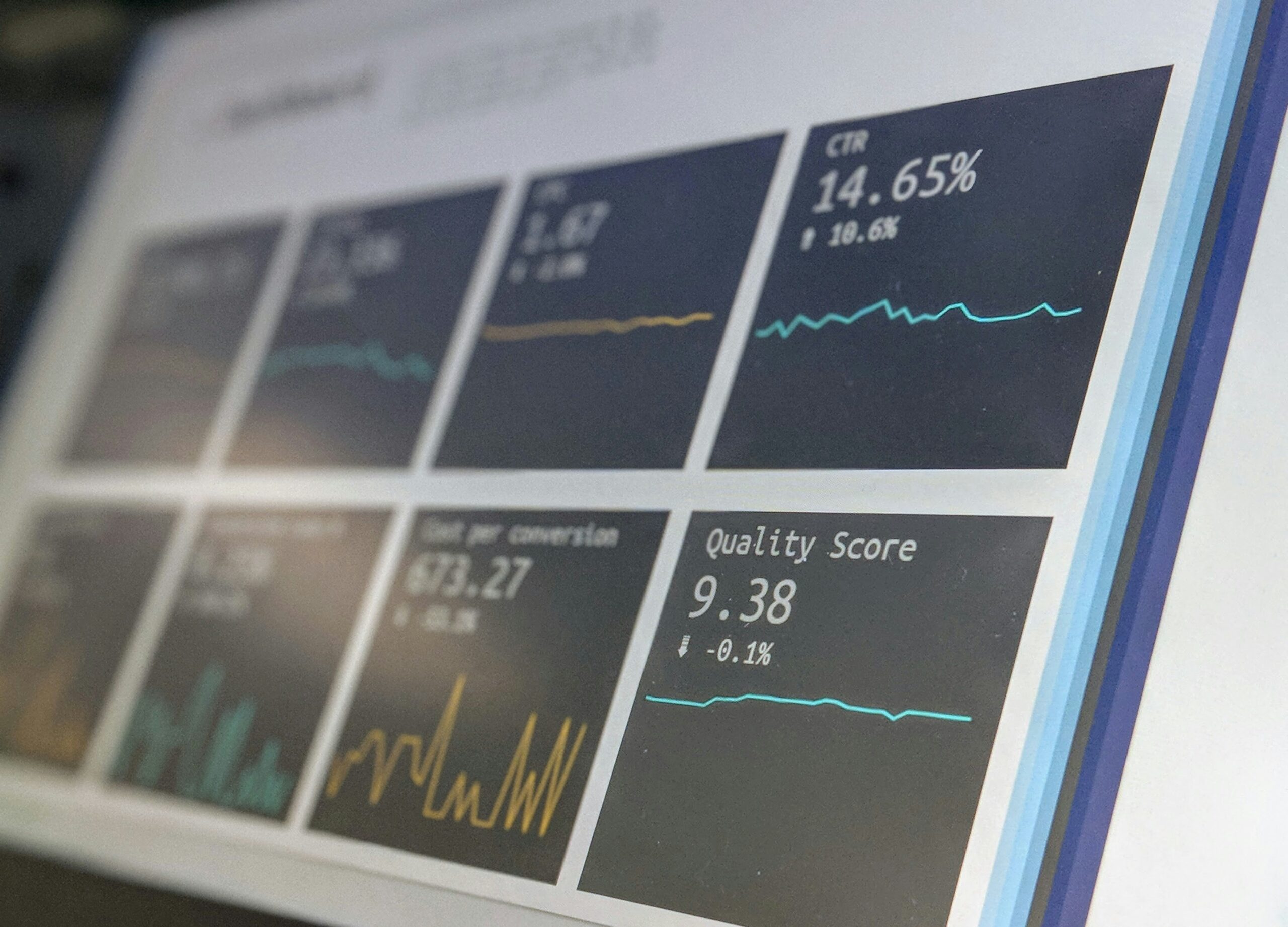
Here is what I see in my year-end “analyst scan” for 2026, as an in-house GC who lives inside this work every day (and runs a lot of it through my own CLM stack). I will break it down by source: Gartner, WorldCC, and ISACA, then pull the signals together. 1. Gartner – legal turns…
-
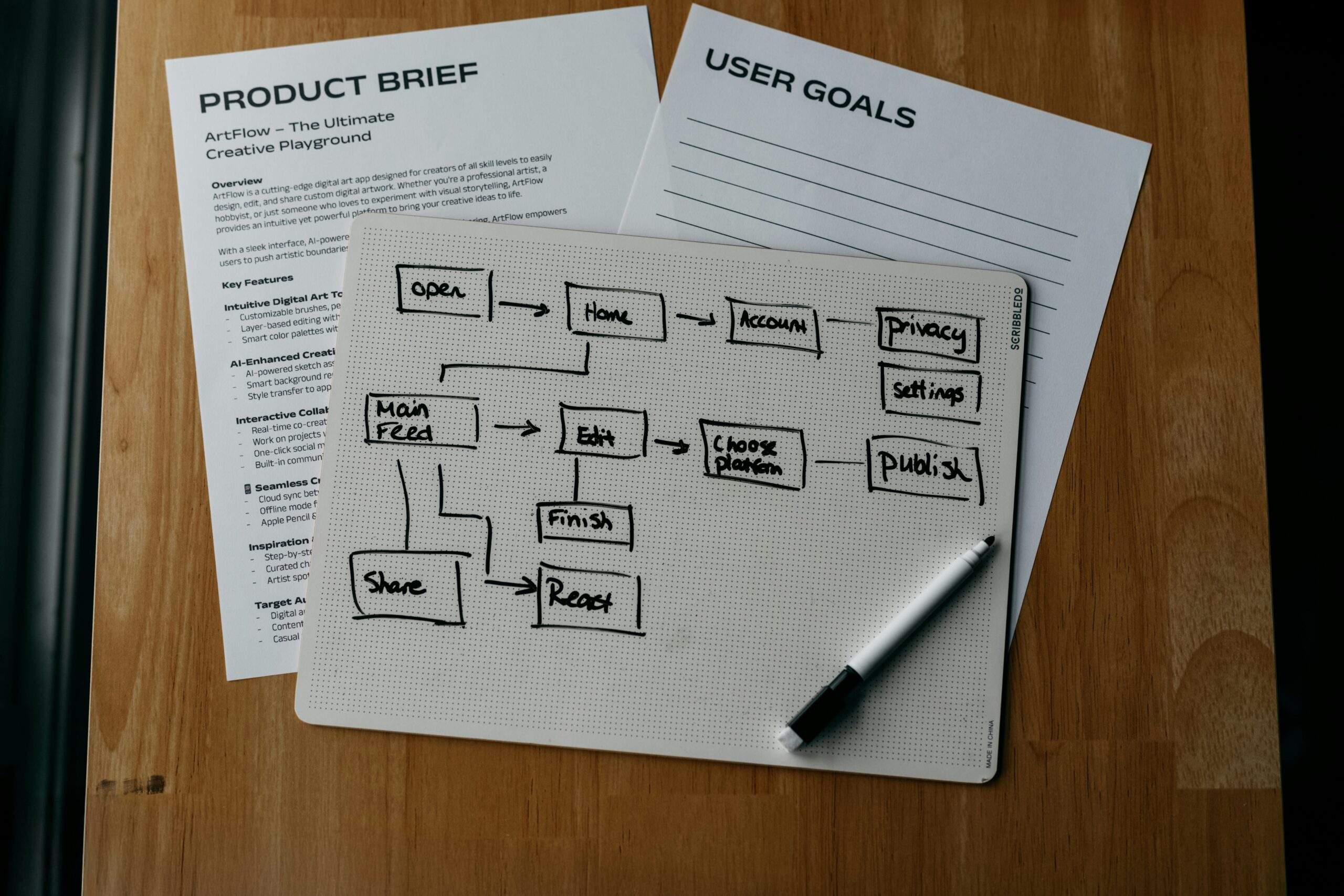
(GC perspective, 15 years in-house) Parallel routing only works when ownership is unambiguous and information arrives complete. The goal is simple: legal should not be the system of record for technical, commercial, or security questions. Legal should manage legal risk. Everyone else needs to handle their part upstream. My playbook breaks into six stages. 1.…
-

Tl;dr Contract lifecycle management pricing in 2025 ranges from low four-figure annual subscriptions for lightweight systems to multi-year, multi-six-figure contracts for enterprise platforms. This index summarizes typical pricing ranges for leading CLM vendors based on publicly available information, industry roundups, customer disclosures, and current 2025 pricing guides. Concord sits in the lower-complexity, lower-TCO quadrant while…
-

Tl;dr Contract lifecycle management rarely works in isolation. The adjacent stack that surrounds a CLM platform determines data quality, cycle time, and auditability. In 2025 the most important adjacencies are intake and ticketing, e-signature, document management, e-billing and matter management, procurement and source-to-contract, CRM and CPQ, eDiscovery and records, and the integration layer that moves…
-

TL;DR Implementation statements of work often under-spec hours, blur role boundaries, and defer risk to change orders. A defensible SOW anchors to legal project management basics, lists assumptions and exclusions, sets acceptance criteria for each deliverable, and names an owner for every risk. Useful references include PMI guidance on statements of work, WorldCC research on…
-

TL;DR Contract lifecycle management software delivers value when prerequisites are in place: stable templates, clear approval paths, clean master data, and a defined integration boundary. Many departments consider CLM before those foundations exist. That sequence invites cost without control. This piece outlines clear signals not to purchase yet and specific actions to take instead. References…
-

When you are evaluating contract lifecycle management (CLM) platforms, the hardest part often is not comparing features but understanding what the final bill will look like. Pricing in this market is complex. Vendors use different models, hide key costs in services and integrations, and create uncertainty that makes budgeting difficult. I have learned this the…
-

When you are running legal in a small or mid-market company, the mandate is clear: any technology you buy has to prove its value fast. Budgets are tight, executives are skeptical, and the business does not have patience for long implementations. That is why I like the 90-day rollout model for contract lifecycle management (CLM).…